
Your World Cup 2026 Betting Edge
 Available in US
Odds · Analysis · Predictions for all 104 matches
Explore Group GWorld Cup 2026 Betting at a Glance
- The expanded 48-team format means 32 nations advance from groups — including 8 third-place finishers — creating new value in qualification markets for underdogs like the All Whites.
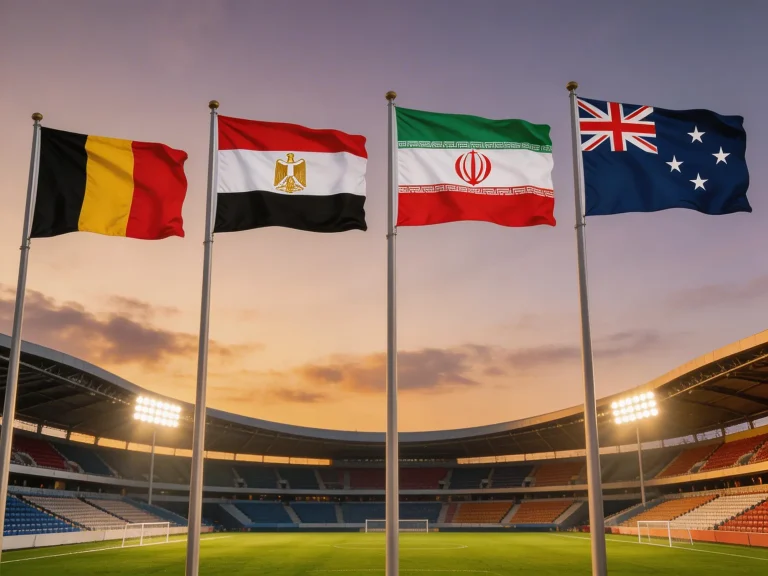
- New Zealand faces Belgium, Egypt, and Iran in Group G, with their opener against Iran on 16 June (1 PM NZST) serving as the pivotal match for knockout hopes.
- All odds display in decimal format, the NZ standard, with TAB NZ operating as the sole legal operator for World Cup 2026 betting.
- Matches kick off at NZ-friendly afternoon times — a 16-hour offset from Eastern Time puts most fixtures between noon and 4 PM NZST.
Tournament Snapshot: 48 Teams, 104 Matches, 3 Countries
I still remember watching the 2022 World Cup final at 5 AM Auckland time, eyes burning, wondering why FIFA couldn't schedule around the Pacific. This time, they've done something better — they've expanded the entire tournament and spread it across three countries, which means more matches at slightly more civilised hours for Kiwi punters.
The 2026 FIFA World Cup runs from 11 June to 19 July, and nothing about it resembles what we've seen before. Gone is the 32-team format that served since 1998. In its place: 48 nations split into 12 groups of four, with 104 total matches played across the United States, Mexico, and Canada. The group stage alone features 72 fixtures — more than some entire tournaments of the past.
The 2026 World Cup will be the first with three host nations and the first since 1994 to feature matches in the United States.

Understanding the new qualification pathway matters for World Cup 2026 betting. The top two teams from each group advance directly to the Round of 32, but here's where the format gets interesting for those tracking odds: the eight best third-placed teams also progress. That's 32 of 48 teams making the knockouts — a 67% survival rate in the groups. For punters, this changes everything about how we approach qualification markets. A team like the All Whites doesn't need to beat Belgium; they just need to pick up enough points to be among those eight third-place qualifiers.
Host Cities and Stadiums
Sixteen venues across North America will stage the action. The United States hosts the lion's share with 11 stadiums, including MetLife Stadium in New Jersey for the final. Mexico contributes three venues highlighted by the iconic Estadio Azteca in Mexico City — the same ground where Maradona's "Hand of God" unfolded in 1986. Canada fields two stadiums: BMO Field in Toronto and BC Place in Vancouver, where the All Whites will play two of their three group matches.
| Country | Stadiums | Key Venue |
|---|---|---|
| United States | 11 | MetLife Stadium (Final) |
| Mexico | 3 | Estadio Azteca (Opening Match) |
| Canada | 2 | BC Place (NZ Group Matches) |
Key Dates for Your Calendar
The tournament kicks off on 11 June with Mexico hosting South Africa at Estadio Azteca — a fixture that carries echoes of the 2010 World Cup opener. Group stages run through 28 June, with the knockout rounds beginning immediately after. The final takes place on 19 July at MetLife Stadium, which translates to 20 July at 8 AM NZST for those planning a winter Sunday morning viewing party.
For a complete breakdown of how the World Cup 2026 format affects betting strategy, I've put together a detailed guide covering everything from group stage accumulators to knockout round hedging.
Why This Format Changes World Cup Betting
More teams mean more matches, which means more betting markets. But the structural changes go deeper. With 32 teams advancing from the groups — up from 16 in previous tournaments — the value in qualification markets shifts dramatically. Traditional group stage betting focused on picking the top two. Now, backing a team to finish third and sneak through becomes a legitimate angle. The odds on underdogs like New Zealand making the Round of 32 sit around 1.73 (implied probability 58%), which represents genuine value given the expanded qualification pathway.
The geographical spread also introduces variables rarely seen in World Cup betting. Teams playing in Vancouver face different conditions than those in Monterrey or Miami. Altitude at Estadio Azteca (2,240 metres above sea level) could influence outcomes, just as it did when Bolivia historically punched above their weight in qualifying. These micro-factors rarely appeared in single-host tournaments but now become part of the punting equation.
With the tournament framework clear, let's narrow our focus to what matters most for Kiwi punters — the All Whites and their path through Group G.
All Whites at the World Cup
Sixteen years is a long time between drinks. The last time the All Whites appeared at a World Cup, Winston Reid headed home against Slovakia and New Zealand became the only unbeaten team of the 2010 tournament. Three draws, zero defeats, yet eliminated in the group stage. That squad is the stuff of legend in Kiwi football circles, and the 2026 edition carries the burden — and the inspiration — of matching that record.
New Zealand qualified through the OFC confederation after a dominant campaign that saw them dispatch Pacific Island opposition with ease: 8-1 against Vanuatu, 8-0 over Samoa, 7-0 against Fiji, and a 3-0 victory over New Caledonia in the final. The numbers look impressive until you remember that OFC qualification has always been about managing the gap between New Zealand and the rest of Oceania. The real tests begin in Group G.
The All Whites sit at odds of approximately 1.73 to reach the Round of 32 — a 58% implied probability that reflects genuine upside in the expanded format where 8 third-place teams also advance.

Group G: The Draw
Belgium headlines the group as heavy favourites at around 1.40 to finish top. Kevin De Bruyne orchestrates their midfield, Jeremy Doku provides explosive width, and Romelu Lukaku remains their focal point despite questions about his big-tournament performances. The Red Devils carry the expectation of a "golden generation" that has yet to deliver major silverware — pressure that could work in opponents' favour.
Egypt presents the most interesting betting dynamic. Mohamed Salah at another World Cup is a story unto itself, and his partnership with Omar Marmoush gives the Pharaohs one of the tournament's most dangerous attacking duos. Egypt finished as Africa Cup of Nations runners-up and carry momentum into the World Cup. They're the team the All Whites need to outperform for third place.
Iran's participation remains uncertain following geopolitical developments in early 2026. The AFC expects them to compete, but the situation remains unresolved. For betting purposes, I'm treating Iran as a participating team with Mehdi Taremi leading their line, though punters should monitor news before placing wagers on matches involving them.
| Team | To Win Group G | To Qualify |
|---|---|---|
| Belgium | 1.40 | 1.08 |
| Egypt | 4.00 | 1.45 |
| Iran | 7.00 | 2.00 |
| New Zealand | 15.00 | 1.73 |
All Whites Match Schedule in NZ Time
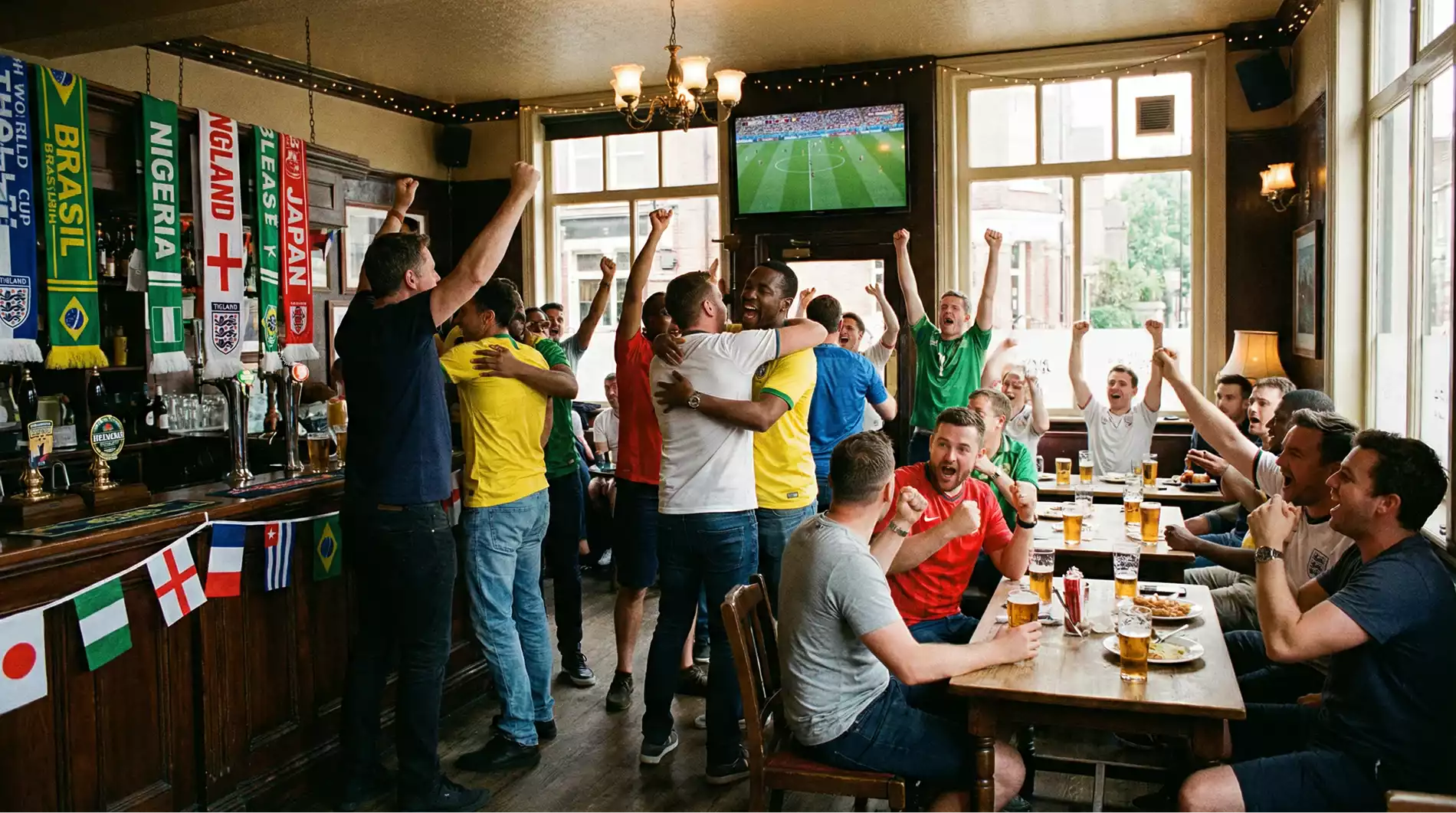
The fixture list favours New Zealand in one crucial way: none of their matches require 3 AM alarm clocks. All three games fall in afternoon slots, perfect for pub viewings or streaming during your lunch break.
Match 1: Iran vs New Zealand
16 June 2026 — SoFi Stadium, Los Angeles
Kick-off: 9:00 PM ET / 1:00 PM NZST (16 June)
Match 2: New Zealand vs Egypt
22 June 2026 — BC Place, Vancouver
Kick-off: 9:00 PM ET / 1:00 PM NZST (22 June)
Match 3: New Zealand vs Belgium
27 June 2026 — BC Place, Vancouver
Kick-off: 11:00 PM ET / 3:00 PM NZST (27 June)
The Squad and Key Players
Chris Wood is the name that matters most. The Nottingham Forest striker has proven himself in the Premier League, and his ability to hold the ball, win aerial duels, and convert chances makes him the All Whites' primary threat. In World Cup 2026 betting markets, Wood appears at around 251.00 in top scorer odds — a long shot, but with 104 matches generating goals, stranger things have happened in accumulator bets.
Darren Bazeley's system relies on defensive organisation and counter-attacking speed. Liberato Cacace provides attacking intent from left-back, while Matt Garbett and Marko Stamenic form a midfield partnership that blends energy with technical quality. The vulnerability lies in set-piece defending — a 0-2 friendly loss to Finland in March 2026 exposed exactly that weakness.
For the complete All Whites squad breakdown and detailed betting analysis, I've compiled match-by-match previews with specific market recommendations for each Group G fixture.
The All Whites' journey matters most to Kiwi punters, but understanding who lifts the trophy shapes every other market. Let's examine the outright winner odds.
Qualification X-Ray: how much of the price is the third-place lifeline?
In a 48-team World Cup, a “to qualify” price hides two completely different bets: finishing top two under your own steam, and sneaking through as one of the eight best third-placed teams — which depends on results in eleven other groups you have no read on. Feed in the group-winner and to-qualify prices and this splits the price into its two halves.
Reading the output
- Earned route — chance of finishing first or second, implied by the group-winner market alone.
- Lifeline — extra qualification probability that can only come from finishing third and surviving the cross-group cut.
- Lifeline share — what fraction of the team's own qualify price is that dependency. Above 50% means the bet is mostly about other groups.
- Fair top-two price — what a clean “top two finish” market should cost, useful when a bookmaker offers both.
Outright Winner Odds — Who Lifts the Trophy?
Every tournament begins with the same question: can anyone stop the favourites? In 2022, Argentina silenced that debate by the final whistle in Lusail. Lionel Messi lifted the trophy, and the narrative found its ending. But 2026 carries different energy. The defending champions face the burden of a bloated format that introduces more matches, more fatigue, and more opportunities for upsets.
Argentina enters the World Cup 2026 betting markets as co-favourites alongside France at around 5.50 odds. That translates to an implied probability of roughly 18% for each — meaning bookmakers assign them a combined 36% chance of winning. The remaining 64% sits scattered across the field, and therein lies the opportunity for punters seeking value.

The Favourites Tier
| Team | Odds | Implied Probability |
|---|---|---|
| Argentina | 5.50 | 18.2% |
| France | 5.50 | 18.2% |
| England | 7.00 | 14.3% |
| Brazil | 8.00 | 12.5% |
| Spain | 9.00 | 11.1% |
| Germany | 10.00 | 10.0% |
England's 7.00 odds reflect the familiar English optimism that surfaces every major tournament. The Three Lions have reached semi-finals and finals in recent years without winning anything since 1966. For punters, the question is whether to keep backing them or recognise that their odds now reflect hype rather than value.
Brazil at 8.00 represents a more intriguing proposition. The Seleção have endured a turbulent qualification campaign through CONMEBOL — historically the most competitive confederation — and enter the tournament without the overwhelming favouritism they once carried. A team with Vinícius Júnior, Rodrygo, and Endrick attacking could click at any moment, and the 12.5% implied probability might understate their genuine chances.
Where I See Value
Spain at 9.00 catches my attention. The Euro 2024 champions play the most aesthetically pleasing football in world football right now, with Lamine Yamal and Pedri forming the nucleus of a team that could dominate for the next decade. Their group is manageable, their squad depth is excellent, and they carry the momentum of recent tournament success. I rate them closer to 8.00 true odds, meaning the current price offers a small edge.
Portugal at 12.00 presents the Cristiano Ronaldo farewell narrative that bookmakers haven't fully priced in. Major tournaments love a story, and Ronaldo's last World Cup could generate the kind of collective will that defies probability models.
For detailed analysis of each contender, tier-by-tier breakdowns, and specific value picks across outright markets, see the complete World Cup 2026 odds guide.
Outright winner markets capture the imagination, but most punting action happens at the group level. Let's map all 12 groups and identify where the real opportunities lie.
All 12 Groups at a Glance
When FIFA announced the 48-team format, the immediate fear was diluted competition — groups filled with mismatches and predictable outcomes. The final draw proved those fears partially justified and partially unfounded. Some groups feature genuine quality throughout. Others have one heavyweight crushing three lightweights. For World Cup 2026 betting, recognising which is which separates profitable punters from those chasing bad odds.
Groups A to D
Group A features co-hosts Mexico alongside South Korea, South Africa, and Czechia. Mexico's home advantage at Estadio Azteca for the opener tilts the group in their favour, though South Korea possess enough quality to challenge for top spot. The Koreans showed their tournament pedigree in 2022 by reaching the Round of 16 and remain dangerous opponents. My pick: Mexico tops the group at 1.80 odds, with South Korea progressing second.
Group B brings Canada, Bosnia and Herzegovina, Qatar, and Switzerland together. The Swiss provide stability and tournament experience, while Canada carry the burden of home expectations. Bosnia secured their spot through the UEFA playoff route, and Qatar return to the World Cup after hosting in 2022 with little to show for it. Switzerland at 1.65 to win the group looks like solid value.
Group C pits Brazil against Morocco, Haiti, and Scotland. Morocco's run to the 2022 semi-finals makes them dangerous second favourites, and their Atlas Lions defence remains formidable. Haiti and Scotland face a steep climb. Brazil should top this group comfortably at 1.35 odds, with Morocco the clear bet for second place.
Group D showcases USA, Paraguay, Australia, and Turkey. The hosts carry enormous pressure to perform on home soil, and anything less than topping this group would be considered failure. Australia qualified through AFC and bring tournament experience from 2022. Turkey emerged through the UEFA playoffs and represent the wildcard. USA at 1.45 to finish first, with the remaining spots genuinely contested.
Groups E to H
Group E gives Germany a favourable path alongside Curaçao, Ivory Coast, and Ecuador. Die Mannschaft need a strong showing after back-to-back group stage exits. At 1.20 to top the group, they're priced as overwhelming favourites, and I don't see value fading them despite their recent tournament struggles.
Group F might be the most balanced of the tournament. Netherlands, Japan, Sweden, and Tunisia all possess genuine quality. The Dutch are favourites at 1.75, but Japan's 2022 heroics against Germany and Spain make them a genuine threat. This group produces the most interesting qualification market in the tournament.
Group G — the one that matters most to us — features Belgium, Egypt, Iran, and New Zealand. I've covered this in detail above, but the short version: Belgium dominates at 1.40, Egypt and Iran compete for second, and the All Whites target third place and a spot among the best third-place finishers. The complete Group G breakdown covers every angle.
Group H pairs Spain with Cape Verde, Saudi Arabia, and Uruguay. La Roja enter as massive favourites at 1.15, while Uruguay at 2.50 for second place represents reasonable value given their historical tournament performances.
Groups I to L
Group I sees France navigate Senegal, Iraq, and Norway. Les Bleus are 1.25 favourites, with Senegal their primary competition. Kylian Mbappé leads a French squad that remains among the tournament's most talented despite aging in some positions.
Group J belongs to Argentina. The defending champions face Algeria, Austria, and Jordan — none of whom should trouble Lionel Scaloni's side. Argentina at 1.12 to top the group is priced appropriately, with Austria the best bet for the runner-up spot.
Group K contains Portugal, DR Congo, Uzbekistan, and Colombia. Ronaldo's Portugal are 1.50 favourites, but Colombia at 3.50 to win the group offers intriguing value if you believe their recent form translates to the World Cup stage.
Group L presents a fascinating contest between England, Croatia, Ghana, and Panama. Croatia remain perpetually underrated despite reaching finals and semi-finals in recent tournaments. England's 1.55 odds to top the group might be slightly short given Croatia's quality at 4.00.
Of the 48 teams, only Haiti and Curaçao are making their World Cup debut — a testament to how the expanded format welcomed experienced nations rather than minnows.
Understanding the groups provides foundation, but knowing how to bet on them requires grasping the mechanics of World Cup wagering.
How Betting Works for the World Cup
My first World Cup punt was Argentina to beat Nigeria in 2010 at odds I can no longer remember. What I do remember is the confusion when my mate in Sydney quoted me odds that looked nothing like what I saw on TAB. He was using fractional odds. I was using decimal. Neither of us realised we were betting on the same implied probability. That confusion is entirely avoidable once you understand how New Zealand's betting landscape operates.
NZ Legal Framework: TAB NZ operates as the sole legal sports betting provider in New Zealand under the Racing Industry Act 2020 (amended June 2025). Offshore operators are prohibited. All World Cup 2026 betting in NZ runs through TAB NZ or its Betcha platform.
Understanding Decimal Odds
New Zealand uses decimal odds — the same format as Australia and most of Europe. The number you see represents the total return on a $1 stake, including your original wager. Odds of 2.50 mean a $10 bet returns $25 total ($15 profit plus your $10 stake). To calculate implied probability, divide 1 by the decimal odds: 1 ÷ 2.50 = 0.40, or 40%.
Head-to-Head — A bet on the match result: Team A wins, Team B wins, or draw. Also called 1X2 betting. The most common World Cup wager.
Multi (Accumulator) — Multiple selections combined into a single bet. All picks must win for the bet to pay out. Odds multiply together, creating larger potential returns but higher risk.
Each-Way — A two-part bet: one part on winning, one part on placing (typically top 2-4 depending on market). Common in outright tournament winner betting.
Key Markets for the World Cup
The World Cup offers more betting markets than any other football tournament. Beyond match results, punters can wager on:
- Outright Winner — Which nation lifts the trophy
- Group Winner — Which team tops each group
- To Qualify — Which teams reach the knockout rounds
- Top Scorer (Golden Boot) — Which player scores the most goals
- Player of the Tournament — Golden Ball winner
- Total Goals — Over/under markets for individual matches or the tournament
- Both Teams to Score — Whether both teams find the net in a match
- Correct Score — Exact final scoreline prediction
For New Zealand punters specifically, TAB NZ typically offers special markets around the All Whites — Chris Wood to score in any group match, New Zealand to keep a clean sheet, and similar propositions tied to local interest.
Responsible Punting
The World Cup spans 39 days with 104 matches. That's a marathon, not a sprint. Setting a tournament bankroll before the opening match and sticking to it prevents the kind of chasing losses that turns entertainment into regret. The 0800 654 655 gambling helpline exists for anyone who needs support.
For a complete glossary of betting terms and guidance on finding the best World Cup betting options in NZ, I've assembled comprehensive reference guides covering every term and platform available to Kiwi punters.
Knowing how to bet matters little without knowing when to watch. Let's convert those North American kick-off times into something useful for Kiwi schedules.


Match Schedule in NZ Time
There's a reason I've spent nine World Cups calculating time zones in my head at 2 AM: major tournaments have traditionally been unkind to Pacific viewers. The 2022 Qatar World Cup offered late-night and early-morning fixtures. Euro 2024 in Germany meant 4 AM kick-offs. But 2026 delivers something different — North American hosting translates to afternoon viewing for New Zealand, arguably the best timezone alignment we've ever had for a major tournament.
Time Zone Offset: New Zealand Standard Time (NZST) runs 16 hours ahead of Eastern Time (ET) during the World Cup period. A 9 PM ET kick-off equals 1 PM NZST the following day. Most group stage matches fall between noon and 5 PM NZ time — prime afternoon viewing.
How the Conversion Works
The World Cup takes place during the NZ winter, meaning we operate on NZST (UTC+12) rather than daylight saving time. Eastern Time during June-July is EDT (UTC-4). The difference: 16 hours. Add 16 hours to any ET kick-off time to get NZST. If that pushes past midnight, it's the next calendar day in NZ.
| ET Kick-Off | NZST Equivalent | NZ Day |
|---|---|---|
| 12:00 PM ET | 4:00 AM NZST | Next day |
| 3:00 PM ET | 7:00 AM NZST | Next day |
| 6:00 PM ET | 10:00 AM NZST | Next day |
| 9:00 PM ET | 1:00 PM NZST | Next day |
| 11:00 PM ET | 3:00 PM NZST | Next day |
Key Fixtures in NZ Time
The matches that matter most to Kiwi punters — either for national interest or betting significance — fall across the tournament's 39 days. I've converted the essential fixtures so you can plan around work, sleep, and the pub:
Opening Match
Mexico vs South Africa — 12 June 2026, 10:00 AM NZST at Estadio Azteca. A decent mid-morning start sets the tone for the tournament.
All Whites Group Matches
Iran vs New Zealand — 16 June, 1:00 PM NZST at SoFi Stadium. The must-win opener against a beatable opponent (subject to Iran's participation). New Zealand vs Egypt — 22 June, 1:00 PM NZST at BC Place. The fixture that likely determines third-place standing. New Zealand vs Belgium — 27 June, 3:00 PM NZST at BC Place. A potential dead rubber or a fight for survival depending on earlier results.
Round of 32
Knockout matches begin 29 June, with fixtures spread across all time slots. Most Round of 32 games fall between 7 AM and 3 PM NZST.
Final
MetLife Stadium, New York — 20 July 2026, 8:00 AM NZST. A Sunday morning viewing that won't require an alarm for most Kiwis.
Planning Your Viewing
The group stage schedule favours employed New Zealand viewers in ways previous tournaments haven't. Most matches kick off between 10 AM and 3 PM NZST — afternoon viewing during lunch breaks or immediately after work. The Round of 16 and beyond shift slightly earlier, with some 7 AM fixtures, but nothing approaches the 3 AM nightmares of tournaments past.
For those building a social calendar around the World Cup, the All Whites' three matches all fall in prime weekend afternoon slots. The opener against Iran lands on a Tuesday NZ time, but the Egypt and Belgium fixtures both hit on weekdays — perfect for extended lunch breaks or working from home.
The 16-hour time difference means New Zealand viewers watch World Cup matches on a different calendar day than the American host nation — a quirk that affects nothing except pub trivia answers.
With scheduling sorted, let's examine which teams beyond the favourites might deliver unexpected returns in the betting markets.



World Cup 2026 Betting FAQ
Is online betting legal in New Zealand?
Yes, but with restrictions. TAB NZ operates as the sole legal provider of sports betting in New Zealand under the Racing Industry Act 2020 (amended June 2025). Offshore operators are prohibited from offering services to NZ residents. TAB NZ and its Betcha platform are the only legal options for World Cup 2026 betting. The Department of Internal Affairs (DIA) serves as the regulatory authority. All bettors must be 18 or older, and responsible gambling guidelines apply.
What odds format does New Zealand use?
New Zealand uses decimal odds, the same format as Australia and most of Europe. Decimal odds show the total return on a $1 stake including your original wager. For example, odds of 3.50 mean a $10 bet returns $35 total ($25 profit plus your $10 stake). To convert decimal odds to implied probability, divide 1 by the decimal: 1 ÷ 3.50 = 0.286, or approximately 29%. TAB NZ displays all World Cup markets in decimal format by default.
When does the World Cup start in NZ time?
The 2026 FIFA World Cup opens on 12 June 2026 NZ time, with Mexico facing South Africa at Estadio Azteca. That fixture kicks off at 10:00 AM NZST. New Zealand runs 16 hours ahead of Eastern Time during the tournament, so most group stage matches fall between noon and 5 PM NZST — afternoon viewing rather than the midnight or early-morning fixtures of tournaments past. The final takes place on 20 July at 8:00 AM NZST.
Can I bet on the All Whites at the World Cup?
Absolutely. TAB NZ offers comprehensive markets on New Zealand's World Cup campaign, including match results, group qualification, and player-specific propositions like Chris Wood to score. The All Whites are currently priced around 1.73 to reach the Round of 32 (approximately 58% implied probability) — value that reflects the expanded format where eight third-place teams also advance. Specific markets for All Whites matches become available closer to each fixture date.
What is a multi bet?
A multi (also called an accumulator or parlay) combines multiple selections into a single bet. All picks must win for the bet to pay out. The odds multiply together: backing three teams at 2.00 each creates combined odds of 8.00 (2.00 × 2.00 × 2.00). A $10 stake would return $80 if all three win. Multis offer larger potential payouts but higher risk — one incorrect selection and the entire bet loses. World Cup group stage betting is popular for multis because multiple matches occur simultaneously.
How do I read decimal odds?
Decimal odds represent total return per $1 wagered. Odds of 2.50 mean a winning $1 bet returns $2.50 total — your original $1 plus $1.50 profit. To calculate potential returns, multiply your stake by the odds: a $20 bet at 2.50 returns $50 ($20 × 2.50). Lower decimal odds indicate higher probability — 1.50 odds imply approximately 67% chance (1 ÷ 1.50), while 5.00 odds suggest 20% probability (1 ÷ 5.00). Anything below 2.00 pays less than your stake in profit.
